
Alain Briez
CEO & AI Lead
ex-Oceanet Technology
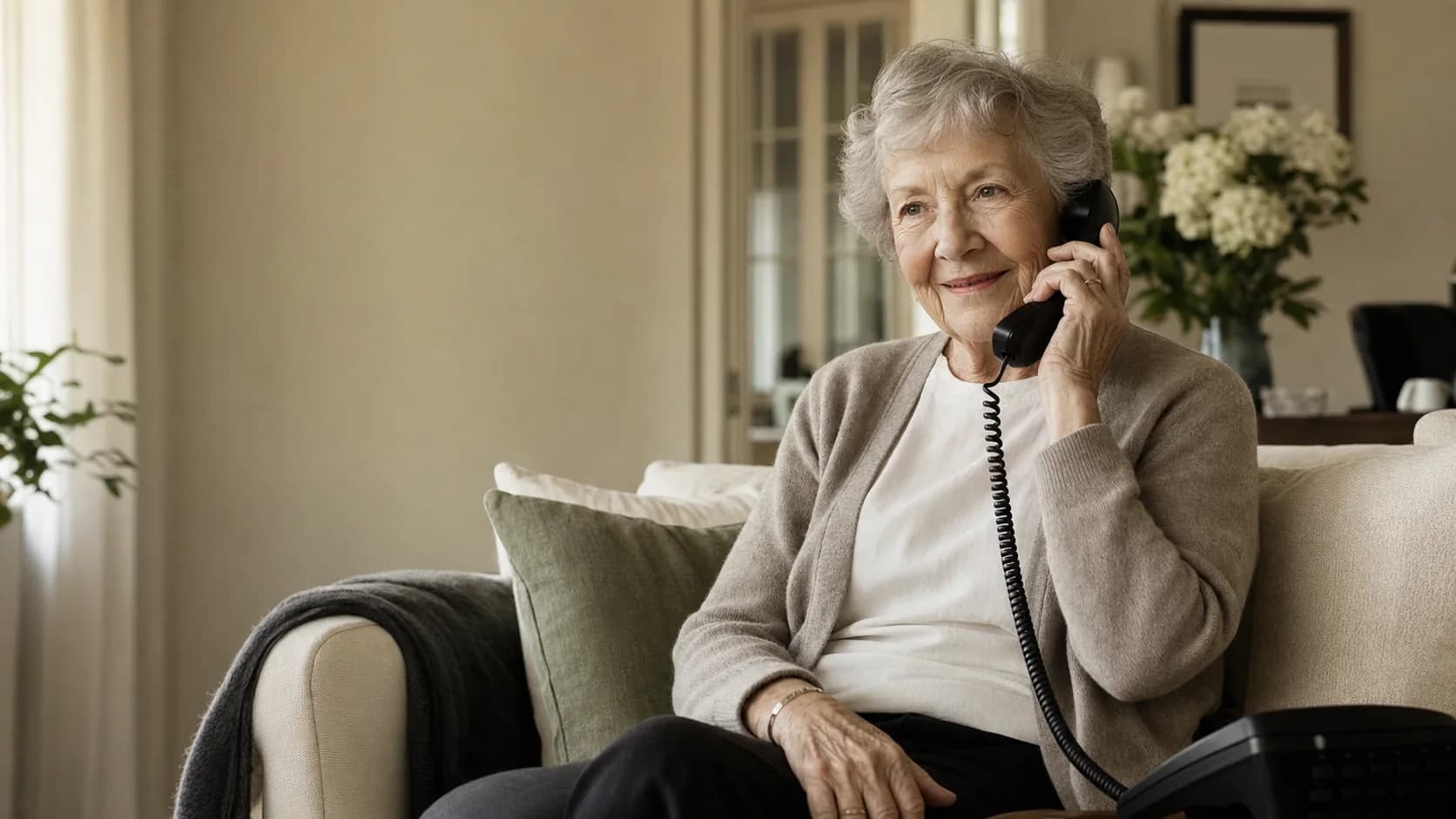
Amigo calls seniors for scheduled check-ins—and seniors can call their Amigo 24/7 when they need support. Every conversation provides cognitive and social stimulation, personalized lifestyle coaching and continuous monitoring.
Amigo is an AI phone companion for the palliative management of cognitive impairment. It combines regular cognitive and social stimulation with personalized, peer-reviewed lifestyle guidance to improve symptoms and reduce modifiable risks—while tracking changes in condition, autonomy and safety.
ex-Oceanet Technology

ex-Triller NASDAQ ILLR (co-founder)

ex-BioGen

ex-CALTCM (President)

ex-Kintsugi (Chief Medical Officer)

ex-FBI (CTO)

ex-Boston Scientific (MD)

OuiCare Group (Partner)
ex-Oceanet Technology
ex-Triller NASDAQ ILLR (co-founder)
ex-BioGen
ex-CALTCM (President)
ex-Kintsugi (Chief Medical Officer)
ex-FBI (CTO)
ex-Boston Scientific (MD)
OuiCare Group (Partner)
Amigo uses repeated conversations to understand the senior, adapt its support and follow change over time.
Build a personal baseline and learn the senior’s life, abilities, routines and support network.
Use friendly, reminiscence-informed conversation for regular cognitive and social stimulation.
Turn peer-reviewed lifestyle guidance into realistic actions for that senior.
Measure change against the personal baseline and alert authorized caregivers when needed.
Movement, nutrition, hydration, sleep and social suggestions are adapted to the senior’s mobility, autonomy, routines, preferences and available support.
Amigo personal context
One senior, one reality
Social circle
Mobility level
Degree of autonomy
Habits, culture & preferences
The senior can receive scheduled check-ins or call Amigo at any time, using a regular phone. No app, screen or new device is required.
Cognitive & social stimulation
Amigo uses known people, places, music and life events to create enjoyable reminiscence conversations—not tests or questionnaires.
Personalized lifestyle coaching
Movement, nutrition, hydration, sleep and social actions are selected for symptom and risk management, then adapted to the senior’s reality.
A separate analysis layer converts acoustic, linguistic and conversational markers from repeated calls into longitudinal cognitive, mood and safety signals.
Analysis pathway
From natural voice to longitudinal clinical signal
Voice conversation
Audio & transcript processing
Resident-only speech isolation
Feature extraction
Personal baseline normalization
Clinical trackers & alerts
Module 01
A multimodal conversational analysis module combining acoustic, linguistic and behavioral features with context-aware qualitative scoring. Only the senior’s turns contribute to the measurement layer.
Measurement layer
Per-call cognitive snapshot, domain scores and longitudinal index
Module 02
A structured affective-analysis module that combines semantic content with paralinguistic cues to model the dominant emotional state and seven clinically relevant dimensions on a 0–10 concern scale, with evidence retained for review.
Measurement layer
Daily mood profile, dimension trends and change from prior period
Module 03
A deterministic decision layer that maps structured dimensions and critical flags to severity and follow-up pathways. It separates the senior’s own symptoms from reactions caused by an AI error.
Measurement layer
Prioritized emotional, cognitive or physical follow-up
Longitudinal methodology
The first ten qualified cognitive snapshots establish a frozen individual reference distribution. Each later measure is transformed into a direction-aware, weighted z-score. The composite is mapped to a 0–1000 index where 500 is the senior’s own baseline; a 14-day rolling regression estimates the direction and rate of change.
10
qualified snapshots to establish baseline
Multi
linguistic, acoustic & behavioral inputs to Cognitive Index
7
mood and affect dimensions
14d
rolling cognitive trend window
Cognitive composite trajectory
Personal baseline = 500
These modules generate observational support signals. They do not diagnose cognitive impairment, determine treatment, or replace clinical assessment.
The same Amigo is available for routine follow-up and for unplanned moments when the senior wants to talk or needs help deciding what to do next.
 Scheduled call
Amigo calls to discuss mood, sleep, physical state, plans and immediate needs, then provides conversation or coaching.
 Available 24/7
When the senior feels lonely, confused or needs practical support, Amigo provides an immediate first conversational response—without every call falling first to family or caregivers.
 After each call
The call updates the longitudinal profile. Amigo can resolve a simple need conversationally or escalate a meaningful condition, autonomy or safety concern.
Calls update cognitive trajectory, mood and autonomy trends, and prioritized safety alerts—giving caregivers visibility between visits.
Track changes in conversational coherence, recall, fluency and engagement relative to a personal baseline.
See changes in affect, participation, routine and the senior’s reported ability to manage daily life.
Surface repeated confusion, acute distress, unmet needs and stated safety concerns according to configured escalation rules.
Seniors can call their Amigo whenever they need conversation, reassurance or practical guidance. Amigo handles appropriate first-line support, documents the interaction and involves family or caregivers when the situation requires human follow-up.
Always available for non-emergency conversation and guidance
Immediate response to loneliness, uncertainty or routine needs
Configured escalation to authorized family or caregivers
Does not replace clinicians or emergency services
Yes. In addition to scheduled check-ins, the senior can call their Amigo 24/7 from a regular phone for conversation, reassurance or practical guidance. Amigo can provide an immediate first response and involve an authorized person when follow-up is needed.
No. Amigo is designed for the palliative management of cognitive impairment: improving symptoms, reducing modifiable risks and following change over time. It does not claim to cure dementia or replace a clinician’s diagnosis.
It means actively managing symptoms, daily function and risks while a person lives with cognitive impairment. Amigo does this through cognitive and social stimulation, personalized lifestyle coaching and longitudinal monitoring. It does not mean end-of-life care.
Amigo calls the senior for regular friendly conversations and applies reminiscence-therapy principles to discuss meaningful people, places, music, routines and life events using the personal context it has learned.
Only a regular phone. Amigo calls at an agreed time; the senior answers and talks. No app, screen, wearable or new device is required.
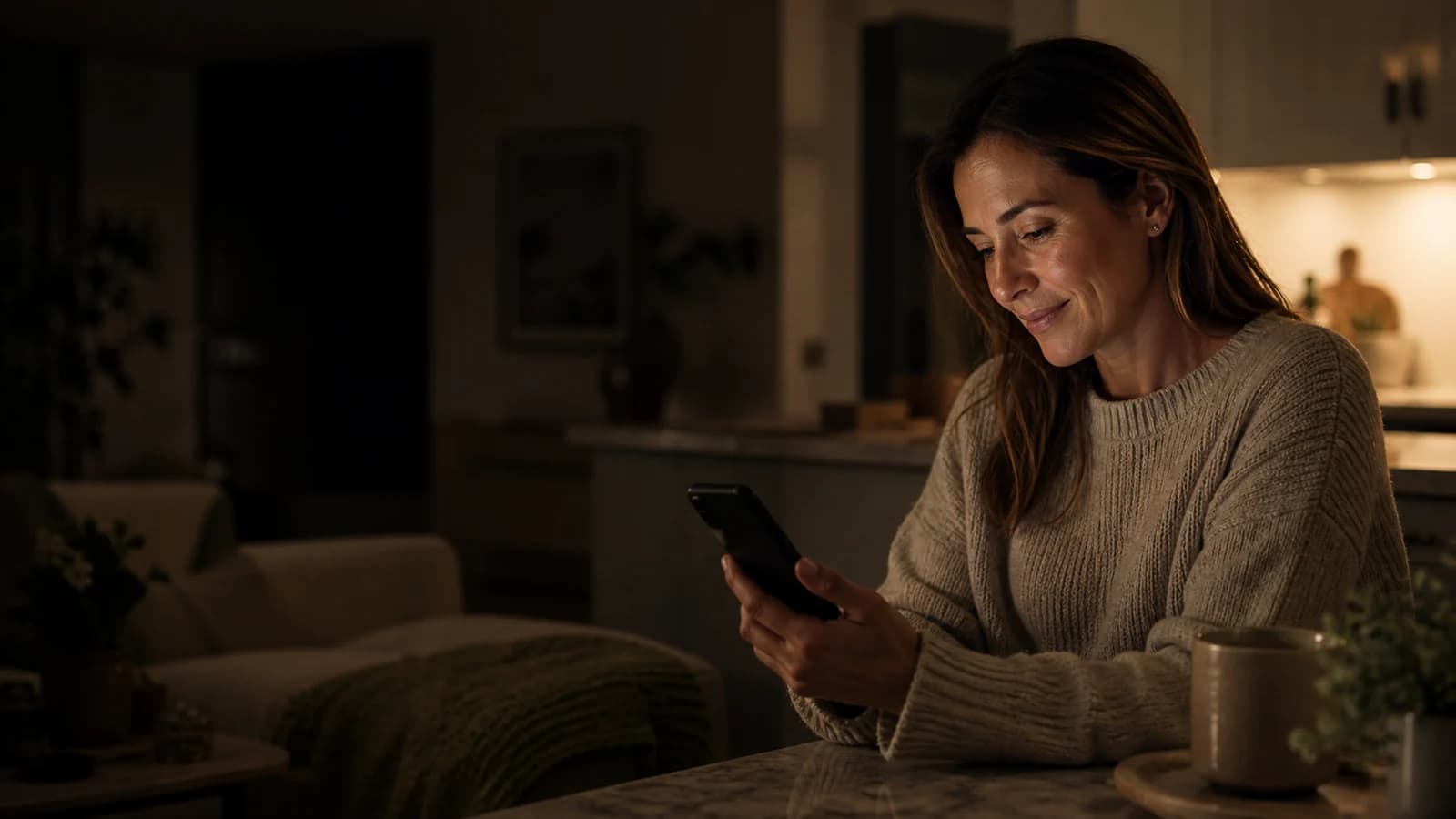
See how Amigo can support seniors while reducing the first-response burden on families and care teams.